Maximizing Crop Yields with Pivot Irrigation Techniques
- kimelilamos155
- 2 days ago
- 4 min read

Agriculture is at a crossroads, facing challenges such as climate change, water scarcity, and the need for increased food production. Farmers are constantly seeking innovative methods to enhance crop yields while conserving resources. One of the most effective solutions is pivot irrigation, a technique that has transformed farming practices worldwide. In this blog post, we will explore how pivot irrigation works, its benefits, and practical tips for maximizing crop yields using this method.
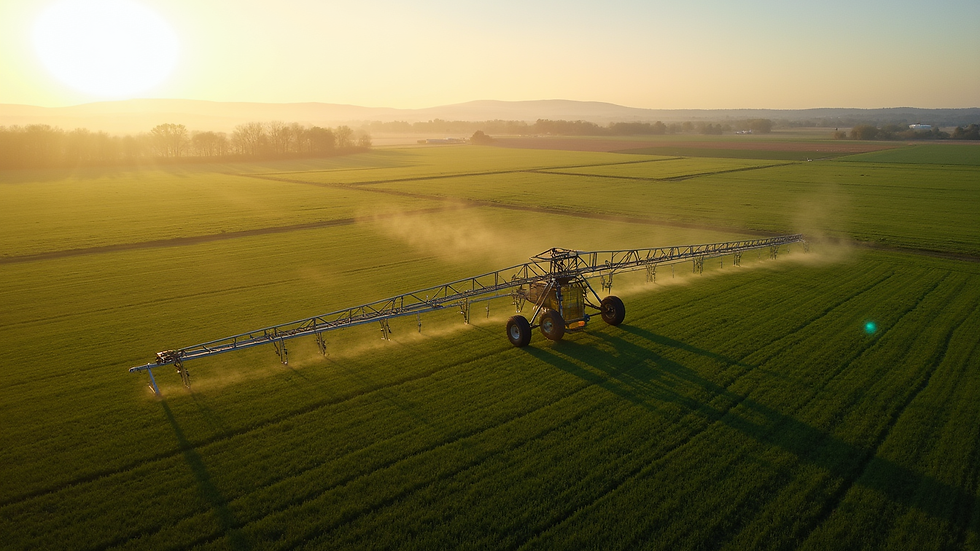
Understanding Pivot Irrigation
Pivot irrigation is a method that uses rotating sprinkler systems mounted on wheeled towers to irrigate crops in a circular pattern. This technique allows for efficient water distribution over large areas, making it ideal for various types of crops.
How Pivot Irrigation Works
Structure: The system consists of a central pivot point, which is the water source, and a series of connected arms that extend outward. Each arm is equipped with sprinklers that distribute water evenly across the field.
Movement: The entire system rotates around the pivot point, allowing the sprinklers to cover a circular area. This movement can be controlled manually or automatically, depending on the system's design.
Water Source: Water is typically supplied from a well, pond, or reservoir. The system can be designed to use either surface water or groundwater, depending on availability.
Benefits of Pivot Irrigation
Pivot irrigation offers numerous advantages that contribute to maximizing crop yields:
Water Efficiency: The system minimizes water wastage by delivering water directly to the plant roots, reducing evaporation and runoff.
Uniform Coverage: Sprinklers provide consistent water distribution, ensuring that all areas of the field receive adequate moisture.
Labor Savings: Automated systems reduce the need for manual labor, allowing farmers to focus on other critical tasks.
Flexibility: Pivot irrigation can be adapted to various crops and soil types, making it a versatile option for farmers.
Reduced Soil Erosion: By minimizing surface runoff, pivot irrigation helps maintain soil structure and fertility.
Implementing Pivot Irrigation
To maximize crop yields with pivot irrigation, farmers should consider several key factors during implementation:
1. Site Assessment
Before installing a pivot irrigation system, conduct a thorough site assessment. Evaluate soil type, topography, and water availability. Understanding these factors will help determine the most suitable system design and configuration.
2. System Design
Choose a pivot irrigation system that meets your specific needs. Consider the following aspects:
Size: Determine the area to be irrigated and select a system that can efficiently cover that space.
Sprinkler Type: Different sprinklers offer varying application rates. Choose the type that best suits your crop and soil conditions.
Control Options: Decide between manual and automated control systems. Automated systems can optimize water usage and reduce labor costs.
3. Water Management
Effective water management is crucial for maximizing crop yields. Implement the following practices:
Scheduling: Develop a watering schedule based on crop needs, weather conditions, and soil moisture levels. This will help prevent over- or under-irrigation.
Monitoring: Use soil moisture sensors to track moisture levels and adjust irrigation accordingly. This technology can provide real-time data to optimize water usage.
4. Crop Selection
Certain crops thrive better under pivot irrigation than others. Consider the following when selecting crops:
Water Requirements: Choose crops that have similar water needs to ensure uniform irrigation.
Growth Patterns: Understand the growth patterns of your selected crops to optimize irrigation timing and frequency.
5. Maintenance
Regular maintenance of the pivot irrigation system is essential for optimal performance. Follow these practices:
Inspection: Routinely check for leaks, clogs, and mechanical issues. Addressing these problems promptly can prevent water loss and ensure efficient operation.
Cleaning: Keep sprinklers and filters clean to maintain proper water flow and distribution.
Case Studies: Success Stories with Pivot Irrigation
Case Study 1: Corn Production in Nebraska
In Nebraska, a farmer implemented a pivot irrigation system to enhance corn production. By using soil moisture sensors and automated scheduling, the farmer increased yields by 20% while reducing water usage by 30%. This success demonstrates the effectiveness of combining technology with pivot irrigation.
Case Study 2: Vegetable Farming in California
A vegetable farmer in California adopted pivot irrigation to improve water efficiency in a drought-prone area. By selecting drought-resistant crops and optimizing irrigation schedules, the farmer achieved a 25% increase in yields. This case highlights the adaptability of pivot irrigation to various crops and environmental conditions.
Challenges and Solutions
While pivot irrigation offers numerous benefits, farmers may encounter challenges during implementation. Here are some common issues and potential solutions:
1. High Initial Costs
Challenge: The upfront investment for pivot irrigation systems can be significant.
Solution: Consider financing options or government grants that support sustainable farming practices. Additionally, the long-term savings on water and labor can offset initial costs.
2. Water Availability
Challenge: Limited water resources can hinder the effectiveness of pivot irrigation.
Solution: Explore alternative water sources, such as rainwater harvesting or recycled water. Implementing efficient water management practices can also help maximize available resources.
3. Technical Knowledge
Challenge: Farmers may lack the technical expertise to operate and maintain pivot irrigation systems.
Solution: Seek training and support from local agricultural extension services or irrigation specialists. Investing in education can enhance system performance and crop yields.
Future Trends in Pivot Irrigation
As technology continues to evolve, so does the potential for pivot irrigation. Here are some emerging trends to watch:
1. Precision Agriculture
The integration of precision agriculture technologies, such as drones and satellite imagery, can enhance pivot irrigation systems. These tools provide valuable data on crop health, soil moisture, and weather patterns, allowing farmers to make informed irrigation decisions.
2. Smart Irrigation Systems
Smart irrigation systems equipped with IoT (Internet of Things) technology can automate and optimize water usage. These systems can adjust irrigation schedules based on real-time data, ensuring crops receive the right amount of water at the right time.
3. Sustainable Practices
As sustainability becomes a priority in agriculture, pivot irrigation systems will increasingly incorporate eco-friendly practices. This includes using renewable energy sources, such as solar power, to operate irrigation systems.
Conclusion
Pivot irrigation is a powerful tool for maximizing crop yields while conserving water resources. By understanding how the system works, implementing best practices, and staying informed about emerging trends, farmers can enhance their productivity and sustainability. As the agricultural landscape continues to evolve, pivot irrigation will play a crucial role in meeting the growing demand for food while protecting our planet's precious resources.
Take the next step in your farming journey by exploring pivot irrigation options and considering how this innovative technique can benefit your crops.


Comments